Commodore Advert - May 1982
From Practical Computing
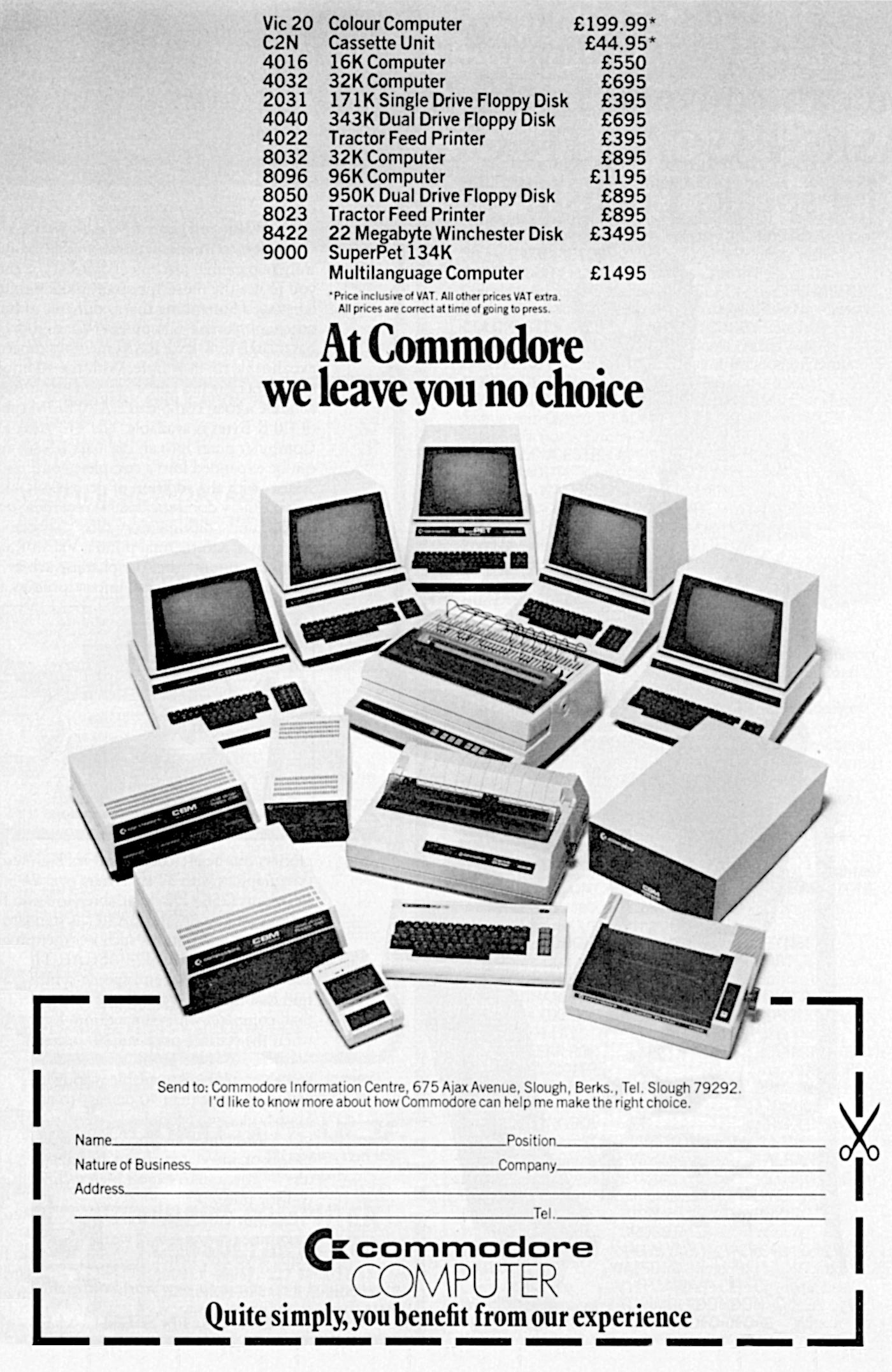
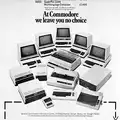
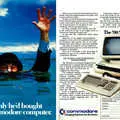
At Commodore, we leave you no choice
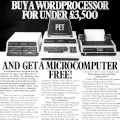
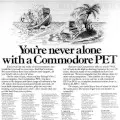
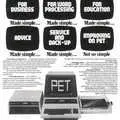
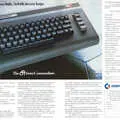
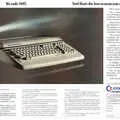
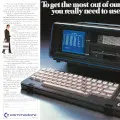
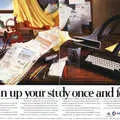
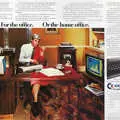
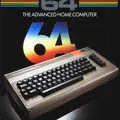
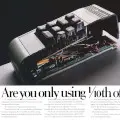
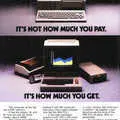
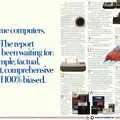
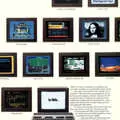
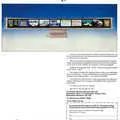
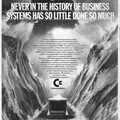
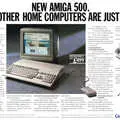
Here's another straightforward advert from Commodore, which was by far the most prolific of all computer companies if measured by the variety of adverts generated.
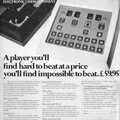
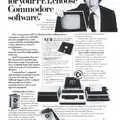
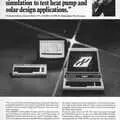
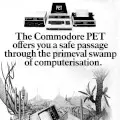
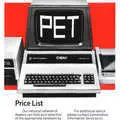
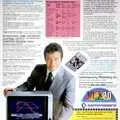
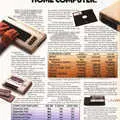
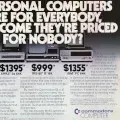
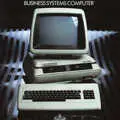
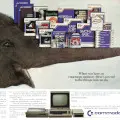
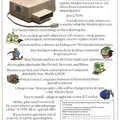
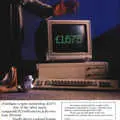
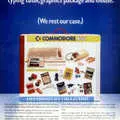
Shown in this advert is the range of PET machines available at the time - the 40-column 4016 and 4032, with 16K and 32K respectively, the 80-column 8032 and 8096, right up to the SuperPET 9000.
Announced in April 1981 at Hanover Computer Fair, the SuperPET was also known as the SP9000 - or the MMF9000 "MicroMainFrame" in Europe.
It was produced as a collaboration with the University of Waterloo and BMB CompuScience, both of Ontario, Canada, and was built by Commodore.
It was aimed at the programming community as well as university use and featured a genuine RS232 port, meaning it could be easily connected to remote machines for uploading work - a feature considered a significant innovation in its day.
As well as the original 6502 of the other PETs in the range, it also featured a Motorola 6809[1].
And unlike regular PETs, which booted up into Commodore BASIC, the SuperPET started into a Waterloo MicroSystems menu which allowed various programming languages - including APL, BASIC, Fortran and Pascal - to be selected.
It could even run Microware Systems' Unix-like OS-9, when used with a Memory Management Unit board designed by Avygdor Moise and TPUG - the Toronto PET Users Group.
It was this impressive combination of programming-language support and terminal connectivity that enabled the University to effectively replace multiple machines with a single SuperPET, with Wesley Graham, director of the computer systems group at the University of Waterloo saying:
"Microcomputers offered many advantages such as economy, reliability and flexibility. But the software available was not suitable for our use. In addition, the addressable memory of micro systems was too small to house the software and leave a meaningful work area. [...] Waterloo liked the advantages of micros and set out to bridge the gap. With software systems written to meet our needs, the software problem was solved. Then we introduced a virtual memory concept with hardware and resolved the addressable memory size problem. By using an RS232 interface, the micro could communicate with a shared data base. And by duplicating the software system onto a mainframe, the same program could be run using large memories at high speed. Thus a student could begin to solve his problem on the micro and, if necessary, complete it on the mainframe. Commodore adopted these ideas and created the SuperPET. We installed 35 such systems at Waterloo in July, 1981 and they have proven as effective as expected[2]".
Officially, the SP9000 was meant to be the last of the PET line, with Commodore intending the B Series micros, known as the 700 Series in Europe, to be its replacement.
However, these didn't sell well and so the 8000-series was updated and re-launched with a new case, which became - incorrectly - referred to as the "Porsche PETs".
The SuperPET wasn't that successful either, selling about 7,000 units in its lifetime, its innovations made redundant by the rise of the IBM PC and its clones[3].
Meanwhile the cheapest PET available, the 4016, was actually quite cheap at £550 plus VAT, or about £3,120 in 2026, whilst the SuperPET retailed for £1,495 plus VAT, which is around £8,430 now.
Adding a 22MB Winchester disk drive cost an additional £4,000 - or about £19,800 now.
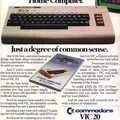
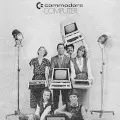
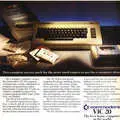
Also shown at the front of the group of micros is the £199 (£1,100) VIC-20, launched in the UK in late 1981 and on its way to becoming the first-ever computer to sell one million units.
Date created: 23 February 2026
Last updated: 21 April 2026
Hint: use left and right cursor keys to navigate between adverts.
Sources
Text and otherwise-uncredited photos © nosher.net 2026. Dollar/GBP conversions, where used, assume $1.50 to £1. "Now" prices are calculated dynamically using average RPI per year.