ACT/Apricot Advert - January 1993
From Personal Computer World
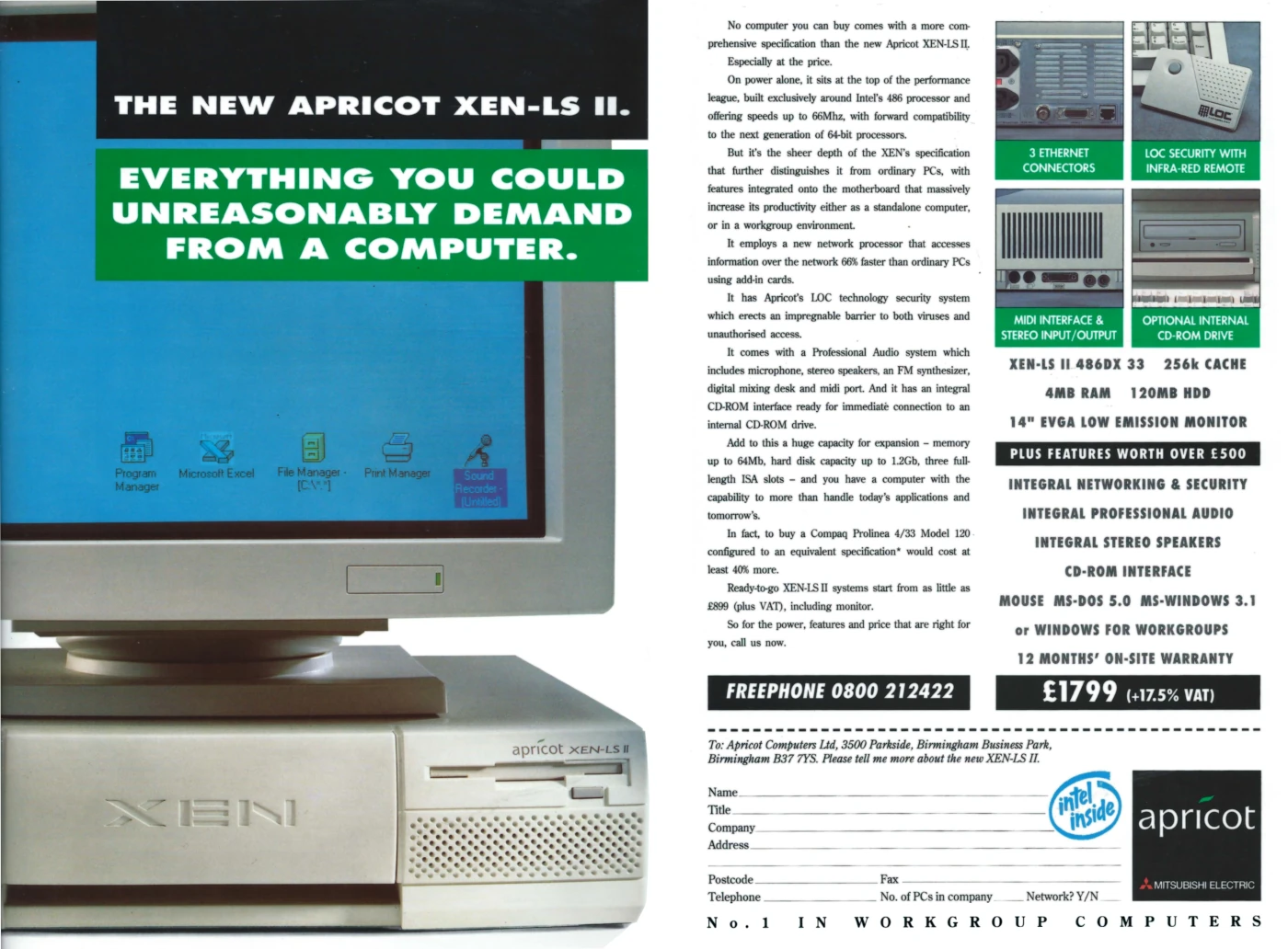
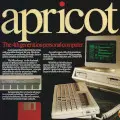
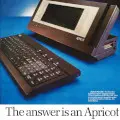
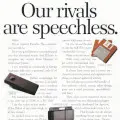
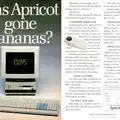
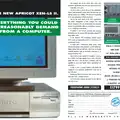
The new Apricot Xen-LS II. Everything you could unreasonably demand from a computer.
Apricot, or ACT - Applied Computer Techniques - had started out as a mainframe accounting bureau in 1965.
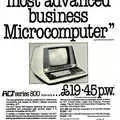
The company launched its first computer - the ACT Series 800, in 1980. This was actually built by Computhink of California, where it was known as the Minimax.
It was offered as an easy upgrade from the Commodore PET as it supported the same PETSCII graphics, which was useful as ACT was something of a PET software house, having purchsed Julian Allason's PETSoft the previous year.
ACT's big breakthrough came in 1982 when it signed a deal with Chuck Peddle - father of the 6502 processor and the Commodore PET - to import Peddle's new computer, built by Victor as the Victor 9000 in the US, but known in the UK and Europe as the Sirius 1.
Before long, ACT announced its own computer - Project Apricot - in the spring of 1983.
Unusually, this shipped with Sirius, rather than IBM, compatibility, although at the time it made some sense as IBM's PC didn't start shipping into the UK until 1983, meaning that the Sirius 1 had built up quite a lead.
However, after talks with Tandy about jointly creating an "Apple buster" failed, ACT instead used its Victor connections as a way to get into the US market.
Unfortunately for ACT, the US market was already gravitating around the IBM PC, and so the Apricot's Sirius compatiblity was more of a hindrance. As ACT's managing director Peter Horn said:
"The US market had gone [IBM] compatible by then, so we didn't sell that many products".
The company tried and failed again when it launched its Xen series - one of the first Intel 80286-based machines - which was also Sirius, rather than IBM, compatible.
Horn equated hanging on to Sirius compatiblity for so long as a "smoker giving up smoking", stating in an interview in January 1993's Personal Computer World that:
"By then we knew it was too late. They should not have been Sirius compatible, they should have been IBM compatible, so we were a year late[1]".
The company, by now re-named as Apricot, after its first own-built computer, seemed to finally get the message, and in 1987 shifted to being not just compatible, but "really compatible", launching a range of micros based on IBM's new-at-the-time Micro Channel Architecture (MCA).
It became one of the few companies to offer MCA (PS/2) compatiblity, which whilst not particularly mainstream, did apparently give it a way into some of IBM's own accounts.
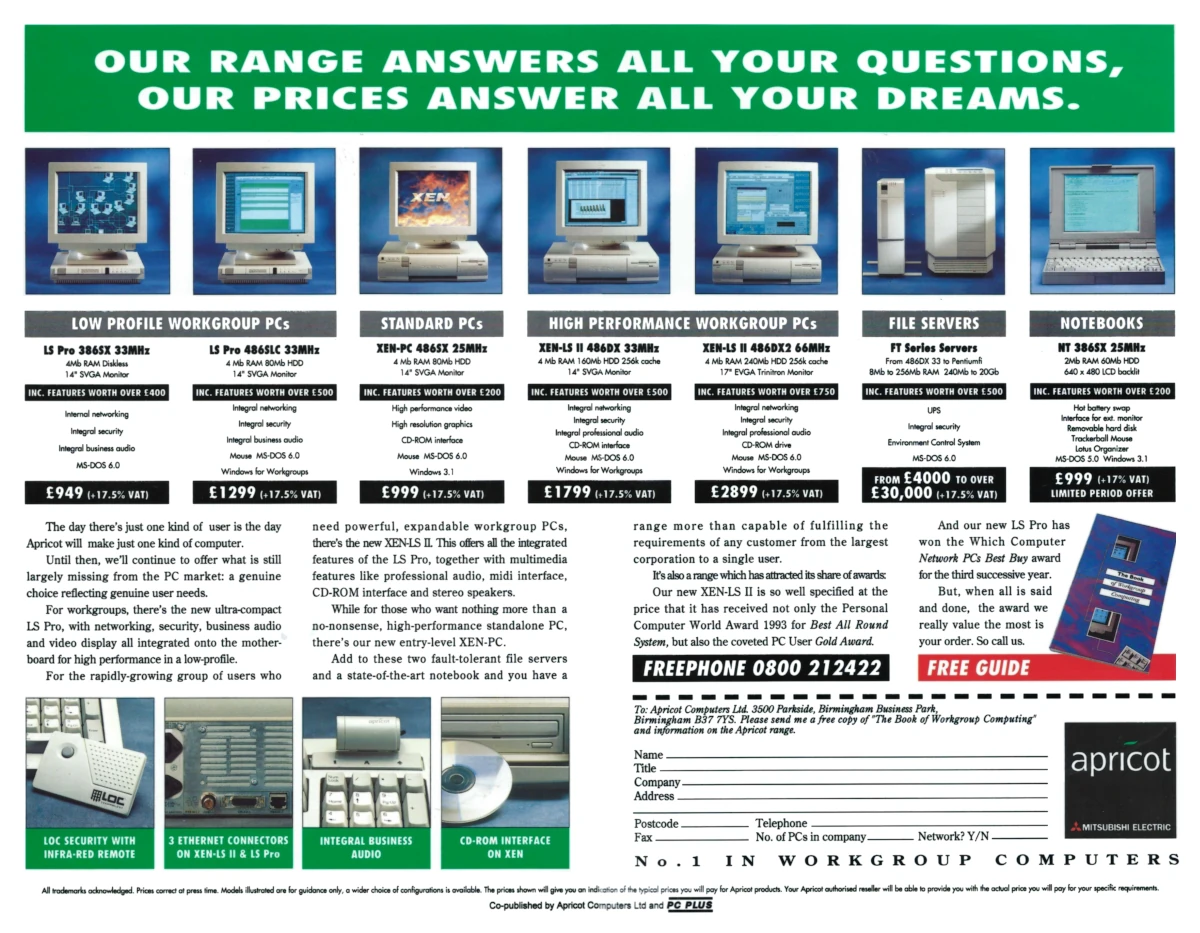
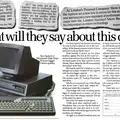
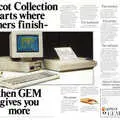
An advert from September 1993's Personal Computer World showing Apricot's complete range from the entry-level Low Profile Workgroup PC at £1115 (about £2,980 in 2026), through the Xen-LS II of the main advert - including the 66MHz 486DX2 variant at £3,400 (£9,090) - right up to file servers from £35,250 and up (£94,300)
At the beginning of 1990, Apricot changed its name back to ACT, but only a few months later the computing part of the company was purchased by Mitsubishi, with ACT retaining the software publishing part of the business.
This marked the end of Apricot as "maverick innovators", with subsequent computers - such as the Xen-LS II of the advert - being far more conventional IBM clones.
The Xen-LS II - which seemed at least in part aimed at the multimedia market with an on-board FM synthesizer and "stereo digital mixing desk" - featured Intel's 486DX running at 33MHz, and offered three full-sized ISA slots by way of expansion.
Slightly more interestingly, it offered built-in Ethernet with support for the three types of cabling available at the time: thick coaxial cabling, thin coax, and the first twisted pair Ethernet standard: 10BASE-T, sometimes known simply as "Cat 5" after the cable it used.
It was also chosen as Personal Computer World's "Best all-round System" in 1993's third annual PCW Awards, with Chris Cain summarising:
"[It] incorporates many of the best features of the Macintosh: built-in networking and multimedia support, for example, but at a much more reasonable price. It includes every bell and whistle you could ask for in a desktop PC, all on the motherboard. [It has] built-in Sound Blaster compatible sound, local bus Ethernet that is (Apricot claims) 66% faster than it would be on a conventional card, and a large variety of security features built in. It comes with built-in stereo speakers and a microphone, it is assembled in Britain and it looks great. Even the most hardened Macintosh bigot must be tempted[2]".
It retailed for £2,113, which is about £5,650 in 2026.
Date created: 03 December 2025
Last updated: 23 January 2026
Hint: use left and right cursor keys to navigate between adverts.
Sources
Text and otherwise-uncredited photos © nosher.net 2026. Dollar/GBP conversions, where used, assume $1.50 to £1. "Now" prices are calculated dynamically using average RPI per year.