A history of the microcomputer industry in 300 adverts

Hotel Microsystems
November 1987
HM Systems: The new Minstrel 4EP
HM Systems - formerly known as Hotel Microsystems - is back with an update of its Minstrel 4, the Minstrel 4EP. It's quite an impressive spec, supporting up to 18 users with between three and nineteen...
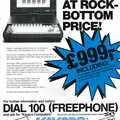
Kaypro
October 1988
Kaypro laptop at rock-bottom price!
Kaypro seems to have gone a bit down market with its advertising for this one, featuring its Kaypro 2000+ laptop. Instead of its usual retail price of £1,799, it was available "while stocks last" for...
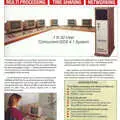
Bromcom
September 1986
Hyper Micro: Three computer architectures combined to give the best advantages of each
In the olden days of computing, i.e. the 1970s, there were essentially three types of computers: room-sized mainframes like IBM's 360, refrigerator-sized minicomputer systems like DEC's PDP-11, and finally...
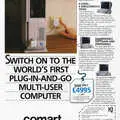
Comart
August 1986
Switch on to the world's first plug-in-and-go multi-user computer
Comart was another member of a small group of companies that survived from the 1970s and through the era of the IBM PC, although it wasn't entirely unscathed as it had been bought by Kode International...
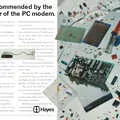
Hayes
February 1987
As recommended by the inventor of the PC modem
Hayes did not really "invent" the PC modem, as the devices - a contraction of modulator/demodulator - had been around in some form since the 1920s, although they weren't commercially available until the...

Ferranti
February 1987
Our new thoroughbred has lots of room for growth
Perhaps confusing the world of thoroughbred horses for that of pedigree dogs, this advert from Ferranti is for its new XT IBM-compatible personal computer. It's a bit confusing though, as Ferranti already...
Tandy/Radio Shack
April 1987
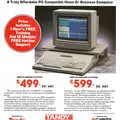
Available now! The Tandy 1000EX
Pitched as a competitor to IBM's ultimately-doomed PC Jr., Tandy's 1000 EX was a version of its Tandy 1000 IBM-compatible PC, with everything built into a home-friendly all-in-one unit, a little like...
Zenith Data Systems
December 1987
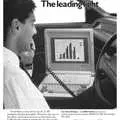
Zenith: The leading light
Zenith Data Systems had started out in 1979 as a division of the Zenith Radio Company, after the latter had bought the famous Heath company from Schlumberger. Heath - trading in the microcomputer industry...

Altos
April 1987
Altos Computer Systems offer you the drive to succeed absolutely free
Altos was one of relatively few microcomputer manufacturers that made the transition from the 1970s through the era of the IBM PC and was still around on the other side. From 1978 until at least 1980...
Tulip/Compudata
November 1987
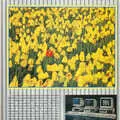
Tulip: Pick the one that stands out from the rest
To its credit, it took Tulip a good eight years since its founding in 1979 to use the most obvious metaphor in its adverts - a field of actual tulips. In this case, it goes one step beyond by adding...

Acorn
January 1988
Archimedes: 1987 Microcomputer of the year
Acorn's Archimedes - also known in at least some parts of the press as the ARM - had been launched in 1987 and first started shipping to dealers in early Autumn. Acorn's Stephanie Newman noted that:...
Amstrad
February 1988
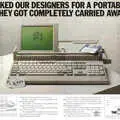
We asked our designers for a portable PC. They got completely carried away.
Launched at Comdex Fall '87 in Las Vegas and at the UK's Which Computer? Show, the PPC range of not-quite-laptops was Amstrad's entry into the portable market. It was fully IBM compatible and ran an...
Tandy/Radio Shack
May 1988
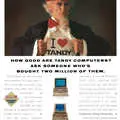
How good are Tandy computers? Ask someone who's bought two million of them
Tandy's TRS-80 - the Tandy Radio Shack/Z80 - was one of the first three "appliance" computers - those you could take out of a box, plug in and use right away - ever, when it was launched in the August...
Mission
January 1988
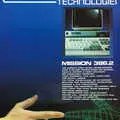
Mission 386.2: The world's first 20MHz 80386 machine.
Here's another nice example of how it seemed every company even vaguely related to electronics was getting into the microcomputer game, in this case UK high-end hifi manufacturer Mission. It had set...
Micronet
1st June 1989
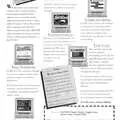
At Micronet we're really talking
Launched at the beginning of 1983, Micronet was a Viewdata dial-up service created as a Prestel project of East Midland Allied Press, the publishing and printing group. Micronet had its roots in the...