A history of the microcomputer industry in 300 adverts
In a private room at the Winter Consumer Electronics Show in Chicago in January 1977, Commodore showed the world's first complete "personal computer" - the PET 2001 - an "appliance" micro that for the first time could be taken out of the box, plugged in and used by regular people without a soldering iron.
Soon, Tandy and Apple joined in and the market grew steadily, but then Commodore and Sinclair launched cheap home computers in the early 80s that changed everything.
The market exploded from tens of thousands of machines a year to millions, as famous 1970s names like Cromemco, IMSAI, Nascom and MITS were pushed aside. Micro companies were suddenly worth $1 billion dollars and their employees were millionaires. Hundreds of companies launched hundreds of incompatible machines. Price wars were started, old scores were settled and companies were destroyed.
Eight bits made way for 16 and 32 in the space of a few years. For a while Britain led the world in manufacture and adoption, with 80% of all computers sold in Europe being sold in the UK.
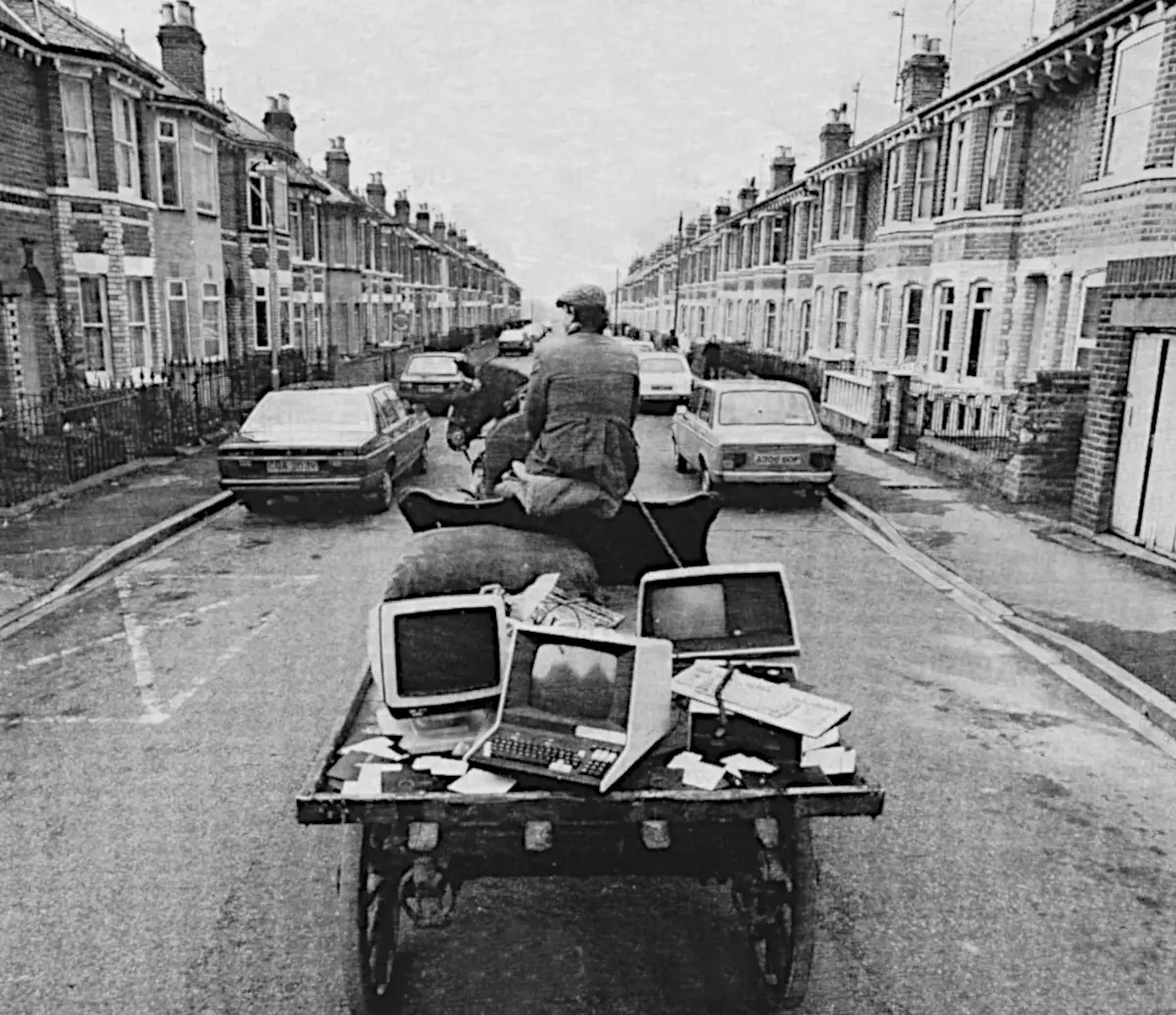
The fate of many microcomputer companies. From a Business Operating Software advert in Personal Computer World, June 1986.
Then the 8-bit market reached saturation and more companies imploded - Sinclair was sold for its name and assets only, Acorn almost didn't make it and a raft of also-rans fell by the wayside - Camputers, Dragon Data, Elan, Oric and Jupiter Cantab to name but a few. Even big names like Timex and Texas Instruments were burned.
Meanwhile, the sleeping giant that was IBM launched its 5150 at the end of 1981 and watched as it slowly but inevitably over the next few years became the standard. Other companies cloned it, copied and improved it and soon the only game in town was the IBM PC.
From the latter half of the 1980s, every micro company and its dog was building generic beige boxes, and people wanted the same beige boxes at home and work. The home computer as a concept was dead, and the "wonder years" were over.
This collection of over 300 adverts attempts to tell something of that story...
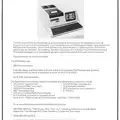
Compucorp
May 1979
Why have a seperate microprocessor, VUD, discs and interfaces?
Compucorp Limited was the UK offshoot of Compucorp Inc, a California-based calculator manufacturer which was a division of Computer Design Corporation, a company which itself was a spin-out from Wyle...
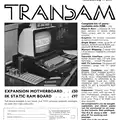
Transam
April 1979
Transam: The Exciting New Triton Personal Computer
From the days when cases for delicate electronics were an optional extra comes this advert for the Transam Triton - a British-built, Intel 8080A-based kit computer that was first released in December...
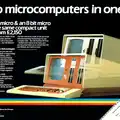
LSI
November 1982
A 16-bit and an 8-bit micro all in the same compact unit
LSI, which sometimes made the claim to be the UK's biggest micro manufacturer, is back with an update to its System M-Three - a machine which was also popular as an OEM model, showing up as the British...
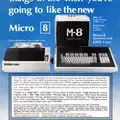
Micro 8
January 1982
If you prefer the better things in life then you're going to like the new Micro 8
Micro 8 Ltd, of Basingstoke, Hampshire, appears to be a company set up specifically to sell the micro of the same name. Except that it's not Micro 8's micro, but was actually built by Fujitsu - and later...
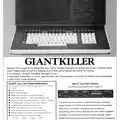
Millbank
January 1981
Giantkiller: System 10
Millbank's System 10 was launched towards the end of 1980 and was still being sold into 1985. For most of that time though the company seemed to be flying under the radar, with just the odd advert now...
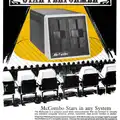
Zytek
December 1982
McCombo stars in any system
The McCombo microcomputer from Zytec International Products Limited is yet another Z80 CP/M 2.2 system, and like many of these, neither the company nor the computer itself seems to have left any trace....
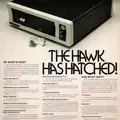
Hawk
December 1982
The Hawk has hatched!
Hawk Computers had been around since at least 1978 but seemed to have been fairly invisible, with this being one of only a few adverts appearing in PRAC towards the end of 1982. The company appeared...
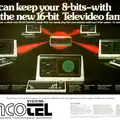
TeleVideo
October 1982
You can keep your 8-bits - with the new 16-bit TeleVideo family
From the company which over its lifetime sold millions of terminals comes a range of 16-bit micros that look somewhat like, er, terminals. That wasn't really a coincidence as Richard DuBridge, executive...
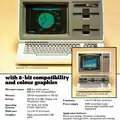
Zenith Data Systems
October 1982
The 16-bit micro with 8-bit compatibility
Zenith Data Systems - the company formed after Zenith Radio Corporation had bought the Heath company from Schlumberger in early 1980 - is back with a couple of "16-bit" micros - the Z-120 and the Z-110....
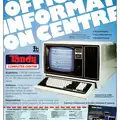
Tandy/Radio Shack
October 1982
The office information centre
Tandy had announced its "bigger brother" follow-up to the 1977 Model I at the end of 1979, but wasn't initially expecting to ship until April of the following year, whilst as this advert shows the machine...

Cyber Electronics
January 1982
Drop us a line... and we'll drop you a Panther
First released a few months before this advert, towards the end of 1981, the Panther micro - from Cyber Electronics - is back with an updated advert which this time doesn't feature an all-green screen....
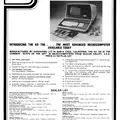
Karadawn
January 1982
Introducing the KD 700 - the most advanced microcomputer available today
It's perhaps something of a stretch to claim that yet another Z80, CP/M system was the most advanced available, but here it is, apparently: the Karadawn KD 700, first launched towards the end of 1981....
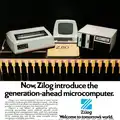
Zilog
January 1981
Now, Zilog introduces the generation-ahead microcomputer
It sometimes seems odd that CPU manufacturers were building their own micros, but there was precedent, with MOS Technology having to introduce the KIM-1 single-board computer in order to demonstrate its...
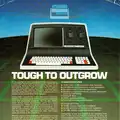
Intertec
March 1983
CompuStar: Tough to outgrow
Here's a nice advert for InterTec's CompuStar, which makes it look like the terminal-looking thing in the foreground is the most important part of the system. In this case, it was, sort of, which was...
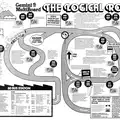
Gemini Micro
May 1982
Gemini Multiboard - the Logical Route
Here's an unusually-fun advert for Gemini's multiboard collection, showing a cheapskate route, an esoteric route to "Sky High Prices Inc", and, naturally, the Logical Route from the 80-Bus Station, via...